
Case Study: Successful Vending Machine Implementations in Boston Offices


Introduction to Vending Machines in Boston Offices
Vending machines have become a staple in many office environments, providing convenient access to snacks, beverages, and other essentials. In Boston, several businesses have successfully implemented vending machines to enhance their workplace environment and employee satisfaction. This case study explores these successful implementations and the strategies behind them.
Understanding Employee Needs
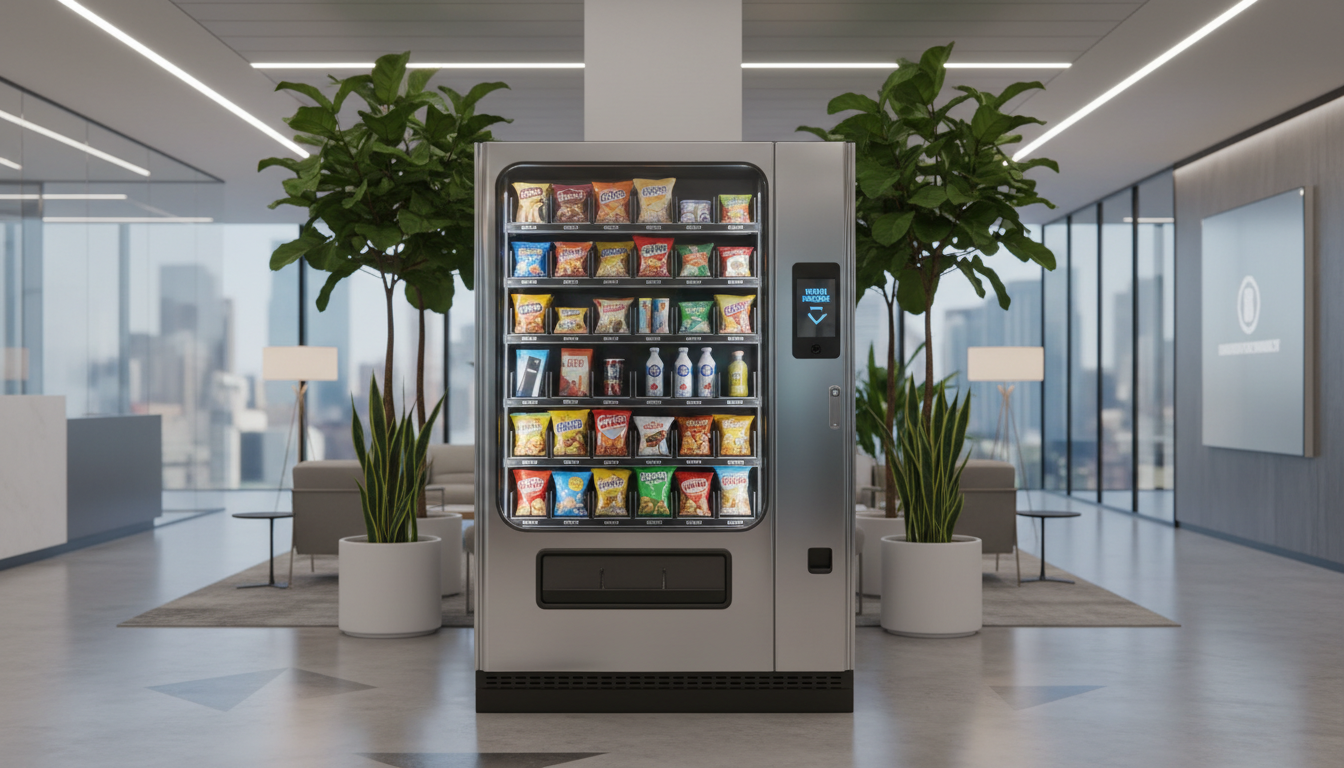
One of the key factors in the successful implementation of vending machines is understanding the specific needs and preferences of employees. Companies that took the time to survey their staff about their favorite snacks and drinks were able to stock their machines with items that truly matched their preferences. This personalized approach not only increased usage but also boosted employee morale.
For example, a tech company in Boston discovered that their employees preferred healthier snack options. By stocking their vending machines with granola bars, nuts, and bottled water, they were able to align with their employees’ health-conscious values.
Strategic Placement and Accessibility
Another critical component of successful vending machine implementation is strategic placement. Machines that are easily accessible and located in high-traffic areas see significantly higher usage. In Boston, some offices placed their vending machines near break rooms and common areas to encourage frequent visits.
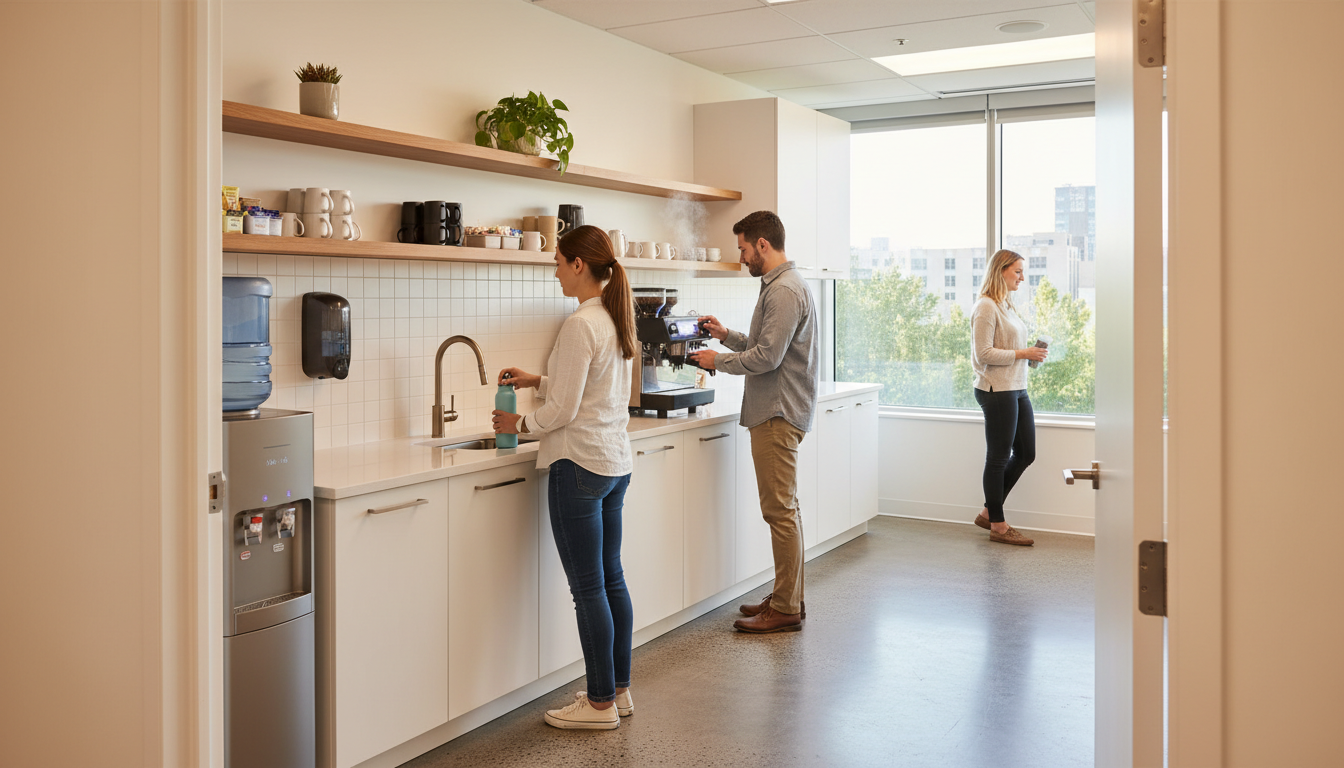
Additionally, ensuring that machines are well-stocked and maintained is essential. Regular checks and a reliable supplier can prevent issues such as empty slots or malfunctioning machines, which can deter usage and lead to frustration.
Technological Integration
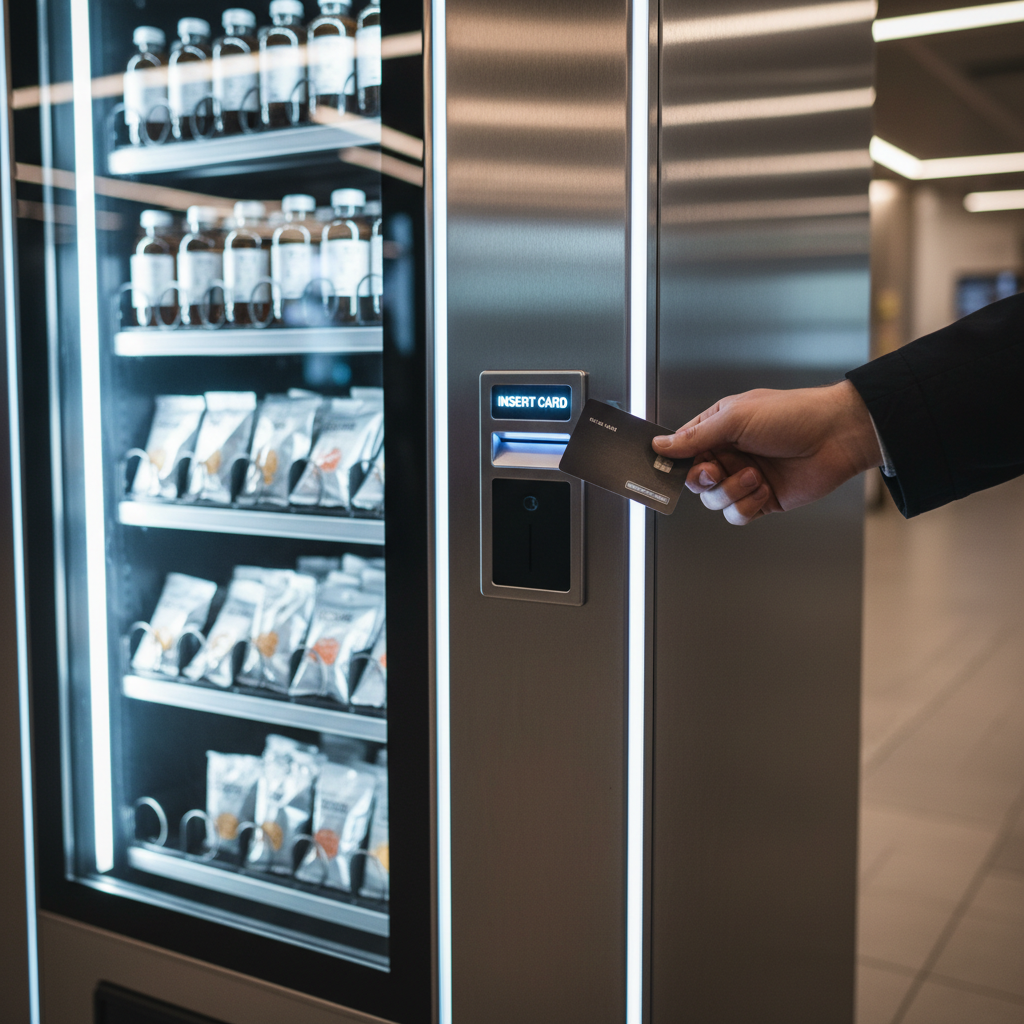
Innovative companies in Boston have also leveraged technology to enhance their vending machine offerings. By integrating cashless payment options and smartphone apps, they have made transactions more convenient and faster for employees. This modern approach not only increases the likelihood of usage but also aligns with the tech-savvy nature of today's workforce.
Some businesses have even introduced loyalty programs through their vending machines, rewarding frequent users with discounts or free items. This strategy not only incentivizes use but also creates a sense of community and appreciation.
Environmental and Social Considerations
Incorporating eco-friendly and socially responsible products into vending machine selections has been another successful strategy. Boston offices that included sustainable packaging and fair-trade products in their machines found that employees appreciated the company's commitment to social responsibility.
Moreover, businesses that partnered with local suppliers supported the community and provided employees with unique and fresh options, further increasing the appeal and usage of the machines.
Conclusion: Lessons Learned
The success of vending machine implementations in Boston offices demonstrates the importance of aligning with employee preferences, strategic placement, technological integration, and a commitment to social responsibility. By following these principles, businesses can not only meet the needs of their workforce but also create a more engaging and satisfying workplace environment.
As more companies look to enhance their office amenities, the insights from these Boston case studies provide a valuable blueprint for success. With thoughtful planning and execution, vending machines can be more than just a convenience—they can be a meaningful part of the workplace culture.