
Case Study: Successful Vending Machine Implementation in Boston Workspaces


Introduction
In recent years, the demand for convenience and accessibility in workspaces has skyrocketed. One innovative approach that has gained traction is the implementation of vending machines. These machines offer a variety of products, catering to diverse employee needs. In Boston, a successful vending machine implementation has set a benchmark for other cities.
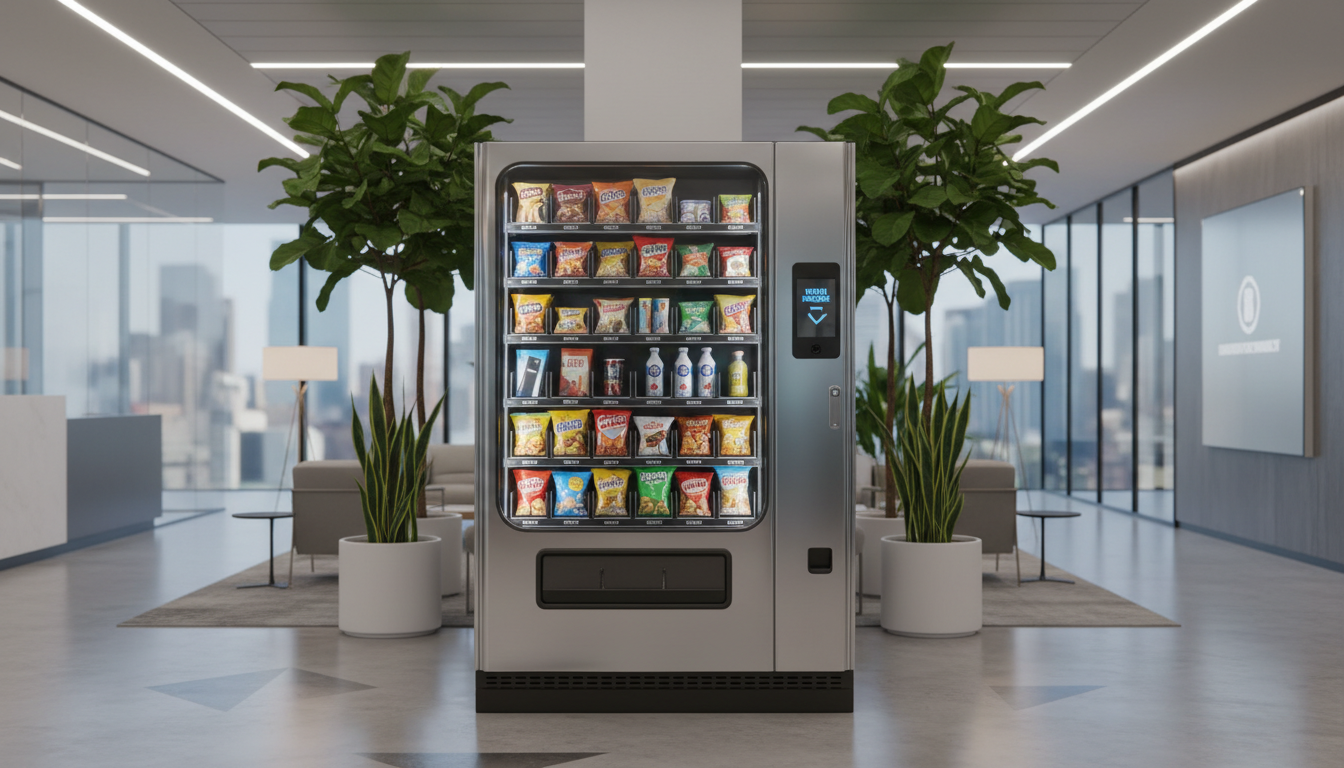
Understanding the Need
The primary motivation behind introducing vending machines in Boston workspaces was to enhance employee satisfaction and productivity. With busy schedules and limited break times, employees often struggle to find quick and healthy snack options. Vending machines provide an efficient solution, offering a range of products from snacks to essential office supplies.
Implementation Strategy
The implementation strategy was meticulously planned to ensure maximum impact. Key steps included:
- Location Selection: Strategically placing machines in high-traffic areas to increase accessibility.
- Product Variety: Offering a mix of healthy snacks, beverages, and office essentials to cater to diverse preferences.
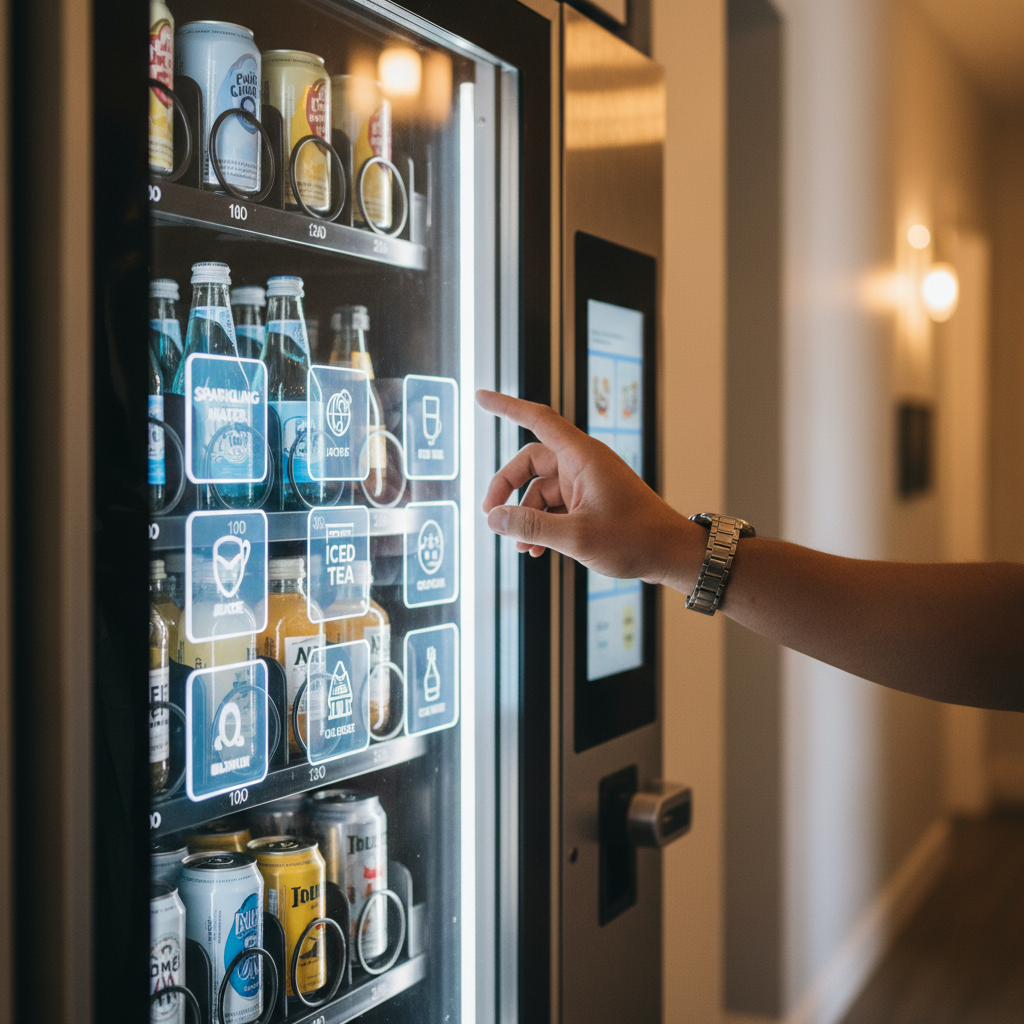
- Technology Integration: Utilizing smart vending technology to track inventory and provide contactless payment options.
Challenges and Solutions
Despite the success, several challenges were encountered during the implementation. One significant challenge was ensuring the machines were regularly stocked. This was addressed by partnering with local suppliers for frequent restocking and maintenance. Another challenge was adapting to the diverse dietary needs of employees, which was resolved by including gluten-free and vegan options.
Impact on Employee Productivity
The introduction of vending machines had a notable impact on employee productivity. With quick access to snacks and essential items, employees spent less time away from their desks. This convenience contributed to a more focused work environment, ultimately boosting overall productivity.

Feedback and Improvements
Employee feedback played a crucial role in refining the vending machine offerings. Regular surveys were conducted to gather insights on product preferences and machine functionality. Based on the feedback, adjustments were made to ensure the machines continued to meet employee needs effectively.
Future Prospects
Looking ahead, the success of vending machines in Boston workspaces has paved the way for further innovations. Plans include the introduction of more sustainable options and expanded product lines to include office supplies and tech gadgets. The integration of AI to predict popular items and optimize inventory is also on the horizon.
Conclusion
The successful implementation of vending machines in Boston workspaces highlights the potential of innovative solutions to enhance employee satisfaction and productivity. By addressing challenges and continuously improving offerings, vending machines can remain a valuable asset in modern work environments.